Tampa Bay is one of the premier destinations for tarpon fishing, attracting anglers from all over the world. Known for their acrobatic leaps and fighting spirit, tarpons are a challenging and rewarding catch. To increase your chances of landing one, it’s crucial to use the right fishing rig. This guide explores the top fishing rigs for catching tarpon in Tampa Bay, ensuring you have the best possible experience.
Whether you are a seasoned angler or a beginner, understanding the nuances of these rigs can significantly impact your success rate. Let’s delve into the specifics of each rig and how they can be optimized for tarpon fishing.
Understanding Tarpon Behavior and Habitats
Before diving into the specifics of fishing rigs, it’s essential to understand the behavior and habitat preferences of tarpon. Tarpons are often found in warm waters and are known to migrate through Tampa Bay. They prefer shallow waters and are frequently found near bridges, channels, and coastal areas where they feed on baitfish.
Tarpons are most active during dawn and dusk, making these times ideal for fishing. Understanding these behavioral patterns can help anglers choose the right rig and bait to entice these elusive fish.
 Seasonal Patterns
 Seasonal Patterns
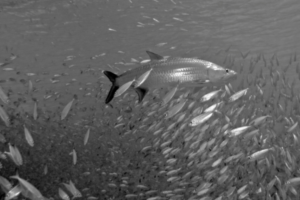
The tarpon season in Tampa Bay typically runs from late spring through summer. During this period, the waters warm up, attracting more baitfish, which in turn attracts tarpon. Anglers should focus their efforts during these months for the best chances of success.
The Basic Live Bait Rig
The basic live bait rig is one of the most popular choices for catching tarpon in Tampa Bay. This rig is simple yet effective, utilizing live bait such as mullet or pinfish to lure tarpon. The setup usually involves a circle hook, a leader, and a float to keep the bait at the optimal depth.
Components and Setup
The typical live bait rig consists of a 5/0 to 7/0 circle hook attached to a 60 to 80-pound fluorocarbon leader. A float is used to keep the bait suspended in the water column, making it more visible to passing tarpon. Anglers can adjust the depth of the bait by sliding the float up or down the line.
Live bait rigs are particularly effective in areas with strong currents. The movement of the bait in the water can mimic natural prey, increasing the likelihood of attracting a tarpon.
The Drift Fishing Rig
Drift fishing is another effective technique for targeting tarpon in Tampa Bay. This method involves allowing the bait to drift naturally with the current, covering a larger area and increasing the chances of encountering a tarpon.
Setting Up a Drift Rig
 Setting Up a Drift Rig
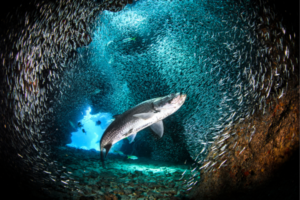
The drift fishing rig is similar to the live bait rig but often includes additional weights to help the bait reach deeper waters. A typical setup includes a circle hook, a strong leader, and a sliding sinker above the leader to allow the bait to move freely with the current.
Drift fishing is best suited for open waters and channels where tarpon are likely to be cruising. Anglers should be prepared to cover large areas and adjust their baits’ depth frequently to match the conditions.
Artificial Lure Rigs
While live bait is commonly used, artificial lures can also be highly effective for catching tarpon. These rigs are designed to mimic the appearance and movement of baitfish, enticing tarpon to strike.
Top Lures for Tarpon
Some of the most popular lures for tarpon fishing include soft plastic swimbaits, jigs, and topwater plugs. These lures can be used in various conditions and allow anglers to cover different depths and retrieve speeds.
For example, soft plastic swimbaits can be rigged on a jig head and retrieved at various speeds to mimic the natural swimming motion of baitfish. Topwater plugs are particularly exciting to use, as anglers can witness explosive strikes from tarpon breaching the surface.
Fly Fishing Rigs
Fly fishing for tarpon is a favorite among experienced anglers seeking a unique challenge. The setup requires precision and skill, but the reward of catching a tarpon on the fly is unparalleled.
Choosing the Right Fly
When fly fishing for tarpon, selecting the right fly is crucial. Popular choices include patterns that resemble crab, shrimp, or small baitfish. The flies should be tied on strong hooks capable of withstanding the powerful fight of a tarpon.
Fly fishing rigs typically consist of a 10 to 12-weight rod, a large arbor reel with a strong drag system, and a floating or intermediate fly line. Leaders should be around 15 feet long, tapering down to a 60 to 80-pound bite tippet.
Conclusion: Choosing the Right Rig for Tampa Bay Tarpon
Choosing the right rig for tarpon fishing in Tampa Bay depends on several factors, including the time of year, water conditions, and personal preference. Whether using live bait, artificial lures, or fly fishing, each method has its unique advantages and challenges.
Experimenting with different rigs and techniques can help you find the most effective approach for your fishing style. Remember to respect local regulations and practice catch and release to preserve the tarpon population for future generations of anglers.
For further reading on tarpon fishing techniques, consider exploring this comprehensive guide on NOAA’s website.
Additional Tips for Successful Tarpon Fishing
Beyond selecting the right rig, several other factors can enhance your tarpon fishing experience in Tampa Bay. Understanding these can make the difference between a successful trip and coming home empty-handed.
Timing and Tides
Timing your fishing trip to coincide with the right tide is crucial. Tarpons are more active during tidal changes, particularly during incoming tides when baitfish are more abundant. Planning your fishing sessions around these tidal movements can increase your chances of encountering feeding tarpon.
Additionally, consider the lunar phases, as tarpon tend to be more active during full and new moons due to the stronger tidal movements. Anglers should be prepared to capitalize on these natural phenomena to maximize their success.
Weather Considerations
Weather conditions play a significant role in tarpon fishing. Overcast days can be advantageous as tarpon are less wary of shadows and more likely to strike baits or lures. Conversely, bright sunny days can make tarpon more cautious, requiring anglers to adopt a stealthier approach.
Wind conditions can also impact your fishing strategy. While a light breeze can be beneficial in creating surface ripples that disguise your bait, strong winds can make casting and boat positioning more challenging. Understanding how to adapt to different weather conditions is key to successful tarpon fishing.
Boat Positioning and Stealth
Proper boat positioning can significantly affect your ability to catch tarpon. When fishing in shallow waters or near structures, it’s important to approach your fishing spot quietly to avoid spooking the fish. Using a trolling motor or anchoring at a distance and drifting into position can help maintain stealth.
Pay attention to the direction of the current and wind when positioning your boat. Aligning your casting angle to match these elements can help present your bait or lure more naturally, increasing the likelihood of a strike.
Conservation and Ethical Fishing Practices
While the thrill of catching tarpon is undeniable, it’s important to practice ethical fishing to preserve this magnificent species for future generations. Tarpon are primarily a catch-and-release species due to their importance in the ecosystem and the sport fishing industry.
Handling Tarpon Safely
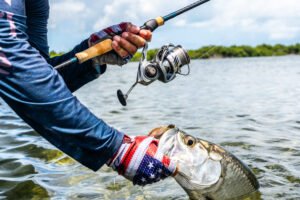
When handling tarpon, always use wet hands or a knotless, rubber-coated net to minimize harm to their protective slime layer. Avoid lifting tarpon vertically by the jaw, as this can cause injury to their organs and spine. Instead, support their weight horizontally if a photo is desired before release.
Limit the time tarpon spend out of the water, and ensure they are fully revived before release. Gently hold them in the water and move them back and forth to facilitate water flow over their gills, aiding in their recovery.
Respecting Local Regulations
Adhering to local fishing regulations is essential for sustainable fishing practices. In Florida, tarpon are regulated under specific guidelines, including the prohibition of harvesting and the requirement of a special permit for possession. Familiarize yourself with these regulations before your fishing trip to ensure compliance and support conservation efforts.
Final Thoughts
Fishing for tarpon in Tampa Bay offers an exhilarating experience for anglers of all skill levels. By understanding the behavior of tarpon, selecting the right fishing rig, and adopting ethical fishing practices, you can enhance your chances of success while contributing to the conservation of this iconic species.
Whether you’re using live bait, artificial lures, or fly fishing, Tampa Bay provides a unique fishing environment teeming with opportunities. Remember to respect the natural habitat and the fish you pursue, ensuring that future generations can continue to enjoy the thrill of tarpon fishing.
For additional background on Top Fishing Rigs for Catching Tarpon in Tampa, see Top Fishing Rigs for Catching Tarpon in Tampa.