Tampa Bay, known for its vibrant marine life and diverse fish species, is a popular destination for anglers of all skill levels. Let us help you choose the right rig for Tampa Bay which can significantly enhance your chances of landing some of the bay’s most prized catches. Whether you’re a seasoned angler or a novice looking to explore the waters, understanding the specific rigs suited for Tampa Bay’s fish can make all the difference.
In this guide, we’ll explore various fishing rigs tailored for Tampa Bay’s popular species. From redfish and snook to tarpon and trout, we’ll cover the essential rigs that can help you succeed during your fishing adventures.
Understanding Tampa Bay’s Fish Habitats
Before selecting a rig, it’s crucial to understand the habitats of the fish species you’re targeting. Tampa Bay offers a mix of mangroves, grass flats, oyster beds, and deeper channels, each housing different species.
Mangroves and Grass Flats
Mangroves and grass flats provide shelter and food for fish like redfish, snook, and trout. These areas are perfect for using rigs that allow for stealthy approaches, as fish here are often wary of disturbances.
 Oyster Beds and Deeper Channels
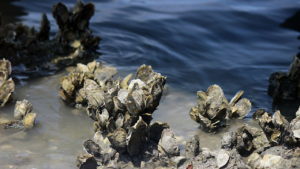 Oyster Beds and Deeper Channels
Oyster beds and deeper channels are home to species like tarpon and grouper. These areas require rigs that can withstand strong currents and the abrasive surfaces of oyster shells.
Rigs for Redfish
Redfish, or red drum, are a popular target in Tampa Bay due to their size and fighting spirit. Here are some rigs that work well for catching redfish:
Carolina Rig
The Carolina rig is an excellent choice for redfish. It allows you to present bait naturally along the bottom where redfish often feed. Use a 1/2 to 1-ounce egg sinker, a swivel, a 12 to 20-inch leader, and a 2/0 to 3/0 circle hook. This rig is adaptable and can be used in various conditions, from grass flats to deeper channels.
Jighead Rig
A jighead rig with soft plastic baits can be highly effective for redfish, particularly in shallow water. Opt for a 1/8 to 1/4-ounce jighead and pair it with a soft plastic shrimp or paddle tail. This rig mimics the natural movement of prey, attracting the attention of redfish.
Rigs for Snook
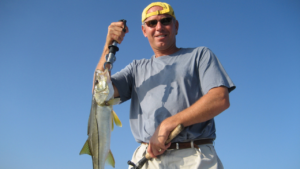 Rigs for Snook
Snook is another sought-after species in Tampa Bay, known for their aggressive strikes and acrobatic fights. Selecting the right rig is essential for success.
Free-Lining Rig
Free-lining is a popular technique for snook, especially around mangroves and docks. Use a live baitfish like pilchards or pinfish on a 2/0 to 4/0 circle hook, letting the bait swim naturally without added weight. This approach is effective for enticing snook out of their hiding spots.
Chunk Bait Rig
For deeper waters and stronger currents, a chunk bait rig is ideal. Combine a 1 to 2-ounce weight with a leader and a 4/0 to 5/0 hook, using cut bait like ladyfish or mullet. This rig can withstand the pulling power of large snook.
Targeting Tarpon
Tarpon, known as the “Silver King,” are renowned for their aerial acrobatics and strength. Targeting tarpon requires robust rigs that can handle their power.
Live Bait Rig
A live bait rig is highly effective for tarpon, especially during their migration season. Use a large circle hook, between 6/0 and 8/0, with a live baitfish such as crabs or mullet. Employ a 50 to 80-pound leader to withstand the tarpon’s leaps and strong runs.
Drift Fishing Rig
Drift fishing with a balloon rig can be productive for tarpon in open waters. Attach a balloon 6 to 10 feet above a live baitfish, allowing it to drift naturally with the current. This technique covers a larger area and can entice tarpon cruising the surface.
Techniques for Seatrout
Seatrout, or spotted sea trout, are abundant in Tampa Bay and are a favorite among light-tackle anglers. Here are some effective rigs for seatrout:
Popping Cork Rig
A popping cork rig is excellent for seatrout, especially over grass flats. Attach a popping cork above a 12 to 18-inch leader and use a soft plastic shrimp or live shrimp on a 1/0 hook. The popping sound mimics feeding activity, drawing trout to your bait.
Soft Plastic Jigs
Soft plastic jigs, like paddle tails or jerk baits, are versatile and effective for trout. Pair a 1/8 to 1/4-ounce jighead with your choice of soft plastic, and work it slowly over the bottom. This rig imitates the natural prey of seatrout, increasing your chances of a strike.
Seasonal Considerations in Tampa Bay
The success of your fishing efforts can also depend on the season, as fish behavior changes throughout the year. Understanding these patterns can help you choose the right rig and technique.
Spring and Summer
During spring and summer, fish like snook and tarpon are more active and can be found in shallower waters. Free-lining and live bait rigs are particularly effective in these seasons, as fish are more aggressive in warmer temperatures.
Fall and Winter
In fall and winter, fish tend to move to deeper waters where the temperature is more stable. Using heavier rigs with chunk bait or larger live baits can be more successful. Adjusting your techniques to the changing seasons can lead to more productive fishing trips.
Final Thoughts on Choosing the Right Rig
Choosing the right fishing rig for Tampa Bay’s diverse fish species involves understanding the local habitats, seasonal patterns, and the specific behaviors of your target fish. By tailoring your rigs to these factors, you can enhance your fishing experience and increase your chances of success.
For more in-depth information on fishing techniques and seasonal patterns, consider exploring resources such as the Florida Fish and Wildlife Conservation Commission’s guidelines. This resource provides detailed insights into regulations and additional tips for fishing in Florida waters.
Whether you’re after the thrill of catching a massive tarpon or the satisfaction of reeling in a redfish, the right rig can make all the difference. Equip yourself with the knowledge and gear suited for Tampa Bay, and enjoy the rewarding experience of fishing in this unique and bountiful location.
In addition to the specific rigs and techniques discussed, it’s important to consider the local fishing regulations and conservation efforts in Tampa Bay. These guidelines help preserve the area’s rich biodiversity and ensure sustainable fishing practices for future generations.
Local Regulations and Conservation Practices
Understanding and adhering to local regulations is crucial for responsible fishing. Tampa Bay is subject to specific rules regarding catch limits, size restrictions, and protected species. Being informed and compliant not only helps protect the ecosystem but also enriches your fishing experience.
Catch and Release Best Practices
Catch and release is a common practice among anglers, particularly for sport fish like tarpon and snook. To maximize the survival chances of released fish, follow these best practices:
- Minimize Handling: Use wet hands or gloves to reduce stress and protect the fish’s slime coat.
- Use Circle Hooks: Circle hooks are less likely to cause deep hooking, making them ideal for catch and release.
- Quick Release: Keep the fish in the water as much as possible and release it quickly to minimize stress.
Protected Areas and Species
Some areas in Tampa Bay are designated as protected zones to safeguard critical habitats for marine life. Respect these areas and be aware of any species that are protected or have specific harvest restrictions.
For a comprehensive list of protected species and areas, check with the Gulf of Mexico Fishery Management Council. This resource provides valuable information on federal regulations affecting Tampa Bay waters.
Choosing the Right Equipment
Beyond selecting the right rig, having the appropriate fishing equipment is essential for a successful outing. The right rod, reel, and line can enhance your ability to cast accurately and handle the specific challenges of Tampa Bay’s fishing environment.
Rods and Reels
For Tampa Bay fishing, consider medium to heavy-action rods for larger species like tarpon and snook. A spinning reel with a smooth drag system is ideal for handling strong runs and quick strikes. For lighter species such as trout, a medium-light rod with a fast action offers the sensitivity needed to detect subtle bites.
Fishing Line Selection
The choice of fishing line can affect casting distance, lure presentation, and fish handling. Braided lines are popular for their strength and sensitivity, making them suitable for fishing around structure. For clear water conditions, a fluorocarbon leader can reduce visibility and increase strikes.
Safety and Preparedness on the Water
Fishing in Tampa Bay requires attention to safety and preparedness. Being equipped with the right knowledge and tools can prevent accidents and enhance your fishing experience.
Weather and Tides
Monitoring weather conditions and tide charts is crucial for a safe fishing trip. Sudden changes in weather can create hazardous conditions, so check forecasts and plan your outings accordingly. Understanding tides can also improve your fishing success, as fish activity often correlates with tidal movements.
Essential Gear
Equip your boat or kayak with essential safety gear, including life jackets, a first aid kit, and a reliable communication device. Having a plan for emergencies and knowing the local boating regulations can ensure a safe and enjoyable day on the water.
Takeaways
Fishing in Tampa Bay offers thrilling opportunities to catch a variety of popular fish species. By choosing the right rig, understanding local habitats and regulations, and equipping yourself with the appropriate gear, you can maximize your fishing success and contribute to the preservation of this unique ecosystem.
Whether you’re chasing the mighty tarpon or simply enjoying a day on the water, the knowledge and techniques shared in this guide will help you make the most of your Tampa Bay fishing adventures. Remember to respect local guidelines, practice sustainable fishing, and savor the beauty and diversity of this remarkable fishing destination.