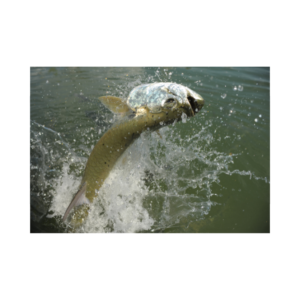
Tarpon Fishing in Tampa Bay offers anglers the thrilling opportunity to target the legendary silver king while enjoying Tampa Bay’s shimmering waters, diverse marine life, and proven local techniques. Known as the “Silver King,” the tarpon is a sought-after catch for its acrobatic leaps and challenging fights. Whether you’re a seasoned angler or a novice looking to get into the sport, Tampa Bay offers one of the best environments to reel in this magnificent fish. As we look ahead to 2026, here are some top tips to enhance your tarpon fishing experience in this vibrant bay.
Understanding Tarpon Behavior and Habitat
Tarpon are large, powerful fish that can be found in warm, shallow waters. They are known for their migratory patterns, often following warm water currents. Understanding their behavior and habitat is crucial to improving your chances of a successful catch. Tarpon are generally found in coastal waters, estuaries, and rivers. They are particularly fond of areas with sandy bottoms and seagrass beds where they can easily hunt for food.
Seasonal Patterns
The best time for tarpon fishing in Tampa Bay is during their annual migration, which typically occurs between May and July. During these months, tarpon are more abundant as they move into the bay to spawn. It’s important to note that tarpon can be found year-round in Florida, but their numbers and activity levels peak during this migration period.
Ideal Fishing Spots
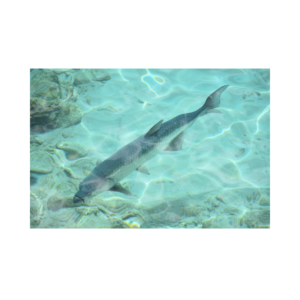
Some of the top spots for tarpon fishing in Tampa Bay include the Sunshine Skyway Bridge, Egmont Key, and the passes around Fort De Soto Park. These areas provide the perfect blend of deep channels and shallow flats, making them ideal for tarpon hunting. Additionally, the presence of baitfish in these locations attracts tarpon, increasing your chances for a successful outing.
Essential Gear for Tarpon Fishing
Having the right gear is essential for a successful tarpon fishing expedition. The size and strength of tarpon require durable equipment that can withstand intense fights.
Rods and Reels
For tarpon fishing, consider using a heavy-action rod that is at least 7 to 8 feet long. This length provides the leverage needed to control and land the fish. Pair the rod with a high-quality spinning reel that has a strong drag system. A reel with a capacity of holding at least 300 yards of 50-pound braided line is recommended.
Lines and Leaders
Braided line is preferred for its strength and sensitivity, which helps in detecting subtle bites and setting the hook effectively. A fluorocarbon leader of about 60 to 80 pounds is advisable to withstand the tarpon’s rough mouth and sharp gill plates.
Baits and Lures
Live bait such as crabs and pinfish are popular choices among tarpon anglers. These baits mimic the natural prey of tarpon and are highly effective. Additionally, artificial lures like swimbaits, jigs, and topwater plugs can also entice tarpon, especially when they are feeding actively.
Techniques for Successful Tarpon Fishing
Mastering various fishing techniques can significantly improve your chances of landing a tarpon. Here are some tried-and-true methods to consider:
Drift Fishing
Drift fishing is a common technique used in tarpon fishing, especially in open waters or around bridges where currents can assist in moving the bait naturally. By allowing your boat to drift along with the current, you can present live bait in a more natural manner, increasing the likelihood of a strike.
Anchoring and Chumming
Anchoring your boat and using chum to attract tarpon is another effective strategy. By deploying a mixture of fish oils and ground bait into the water, you can create a scent trail that draws tarpon towards your location. Once they are nearby, presenting live bait can entice them to bite.
Fly Fishing
For those seeking a more challenging approach, fly fishing for tarpon can be an exhilarating experience. This method requires precision casting and the use of specialized fly patterns that mimic small fish or crabs. Fly fishing for tarpon is best done in shallow waters where the angler can sight cast to visible fish.
Conservation and Ethical Fishing Practices
As stewards of the environment, it’s important for anglers to practice conservation and ethical fishing techniques. Tarpon are a protected species in Florida, and understanding the regulations surrounding their capture is essential.
Catch and Release
Tarpon are primarily a catch-and-release species, which helps maintain their population and ecological balance. When handling tarpon, use a dehooking tool to minimize stress and injury to the fish. Ensure that the fish is revived properly before release by holding it upright in the water until it swims away under its own power.
Regulations and Licensing
Before embarking on a tarpon fishing trip, make sure to have the appropriate fishing license. In Florida, anglers require a saltwater fishing license, and if you intend to harvest a tarpon, a tarpon tag is necessary. Stay updated with the Florida Fish and Wildlife Conservation Commission regulations to ensure compliance with the latest guidelines.
Takeaways
Tarpon fishing in Tampa Bay is a thrilling and rewarding experience, offering anglers the chance to connect with one of the most iconic fish species in the world. By understanding tarpon behavior, equipping yourself with the right gear, mastering effective techniques, and adhering to ethical fishing practices, you can enhance your fishing adventures in Tampa Bay. As you prepare for the 2026 fishing season, remember that patience, respect for nature, and a passion for the sport are key components to a successful tarpon fishing journey.
To maximize your tarpon fishing success in Tampa Bay, it’s crucial to stay informed about the latest developments and trends in the sport. As technology continues to evolve, so do the tools and techniques available to anglers. Staying updated can give you a competitive edge and enhance your overall experience.
Incorporating Technology into Tarpon Fishing
Fishing technology has advanced significantly in recent years, providing anglers with innovative tools that can improve their catch rates. Utilizing these technologies can make your tarpon fishing trips more efficient and enjoyable.
Fish Finders and Sonar
Modern fish finders and sonar systems are invaluable for locating tarpon in Tampa Bay’s vast waters. These devices use sound waves to detect fish beneath the surface, allowing you to identify schools of tarpon even in deep channels. By pinpointing their location, you can position your boat strategically and increase your chances of hooking a tarpon.
Weather and Tidal Apps
Understanding weather patterns and tidal movements is crucial for planning a successful fishing trip. There are numerous apps available that provide real-time weather forecasts, tide charts, and even moon phase information. These tools help you determine the best times to fish and avoid adverse conditions that could hinder your efforts.
GPS and Mapping Software
GPS devices and mapping software have revolutionized how anglers navigate the waters. They allow you to mark productive fishing spots, track your routes, and explore new areas with confidence. Having accurate maps ensures you can safely return to successful locations and uncover new hotspots for tarpon fishing.
Networking and Community Involvement
Being part of a fishing community can provide you with valuable insights and support. Engaging with fellow anglers can lead to sharing tips, learning new techniques, and even discovering hidden fishing spots you might not have found on your own.
Joining Local Fishing Clubs
Fishing clubs are an excellent way to connect with other enthusiasts and gain access to exclusive resources. Many clubs in Tampa Bay organize events, competitions, and educational seminars that can enhance your knowledge and skills. Joining a club also allows you to participate in conservation efforts and contribute to the sustainable management of local fisheries.
Online Forums and Social Media
The digital world offers endless opportunities to engage with the fishing community. Online forums and social media groups dedicated to tarpon fishing can be a treasure trove of information. These platforms allow you to ask questions, share experiences, and stay updated on the latest trends in tarpon fishing.
Preparing for Future Tarpon Seasons
As you look forward to future tarpon fishing seasons in Tampa Bay, it’s important to stay adaptable and open to new techniques and strategies. The dynamics of fishing can change with environmental shifts, regulations, and advances in technology. Preparing for these changes will ensure you remain successful in your fishing endeavors.
Environmental Awareness
Environmental changes can significantly impact tarpon behavior and habitat. Keeping abreast of ecological studies and environmental reports can help you understand these changes and adapt your strategies accordingly. Participating in local conservation initiatives also contributes to the health of the ecosystem and the sustainability of tarpon populations.
Continuous Learning and Skill Development
Fishing is a lifelong learning experience. Continuously enhancing your skills and knowledge will keep you ahead of the game. Consider attending workshops, watching instructional videos, and reading books on advanced fishing techniques. This ongoing education will not only improve your tarpon fishing skills but also deepen your appreciation for the sport.
In conclusion, tarpon fishing in Tampa Bay offers an exciting adventure filled with challenges and rewards. By staying informed, integrating new technologies, engaging with the community, and committing to conservation practices, you can elevate your fishing experience and contribute positively to the environment. As you gear up for the 2026 season, remember that the joy of fishing lies not only in the catch but also in the journey and the connection with nature. Happy fishing!